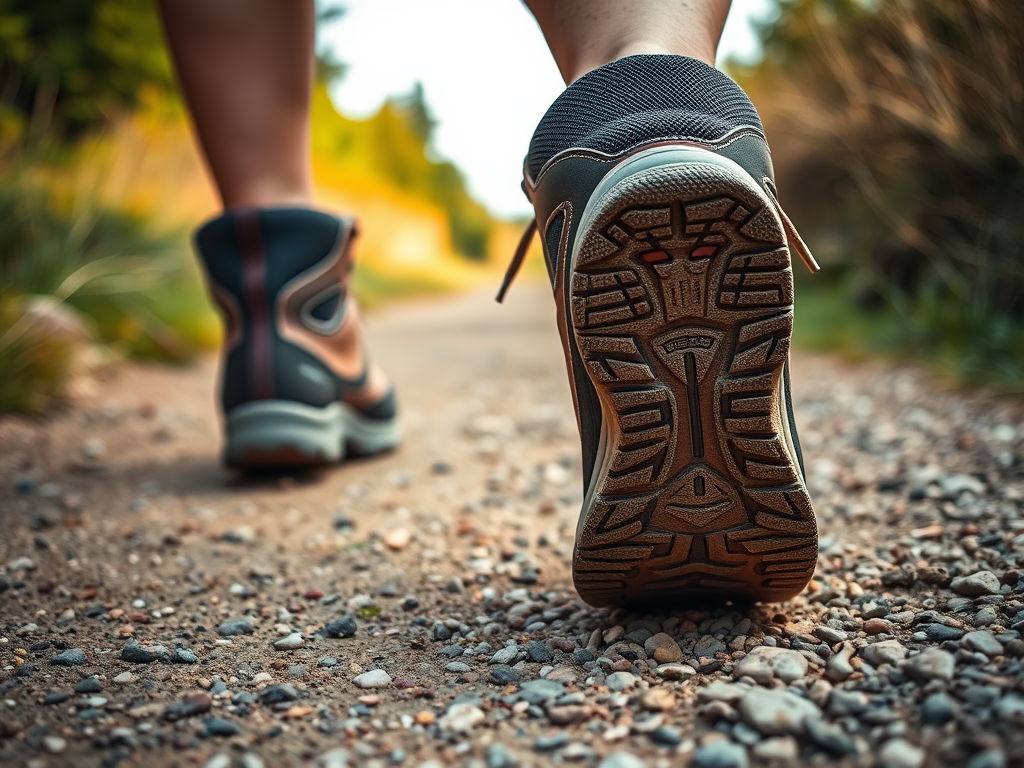
The Lost Art of Walking: Why Walking Is One of the Most Underrated Wellness Practices
The Lost Art of Walking
Walking may not be a lost art, but in today’s fast-paced world it often feels that way. When walking appears mainly in curated social media images—people striding through beautiful landscapes—it can seem more like a luxury than a natural part of daily life.
As I’ve moved into my fifth decade, I’ve noticed how much less we walk. Our streets are dominated by cars, front gardens have become driveways, and walking is often seen as inefficient or a poor use of time. Yet walking is one of the most accessible and effective wellness practices available to us.
How Walking Disappeared From Everyday Life
Growing up in the 1970s and 80s, walking was simply how most people got around. Children walked to local schools, parents chatted at the school gates, and the journey home was a time to unwind and connect.
Today, roads are busier and safety concerns are real. Many families rely on cars, even for short journeys. However, this shift has contributed to increasingly sedentary lifestyles—for both children and adults—and a rise in physical and mental health challenges.
Walking supports independence, confidence, and health. After hours spent sitting at desks or screens, gentle movement and fresh air are not optional extras; they are essential.
Walking and the Impact on Mental Health
As someone who has recovered from chronic stress, I understand the toll that rushing, over-productivity, and constant stimulation take on the body and mind. Rest and recovery are just as important to wellbeing as exercise and nutrition.
Walking naturally slows the nervous system. The rhythmic movement of walking supports somatic regulation, helping the body shift out of fight-or-flight and into a calmer, more balanced state. Unlike driving, walking allows the mind space to process, reflect, and breathe.
This is why walking is so effective for:
• Stress reduction
• Anxiety management
• Mental clarity
• Emotional regulation
The Difference Between Walking and Driving
Driving keeps us alert, reactive, and often overstimulated—watching traffic, responding to hazards, and frequently taking calls. Walking, by contrast, brings us into the present moment.
When we walk, we notice seasonal changes, light, sound, and texture. We reconnect with our environment and, occasionally, with other people. Even brief social interactions—a smile or a greeting—can positively impact mental wellbeing.
During the 2020 lockdowns, this became particularly visible. Daily walks created moments of connection and community that many people hadn’t experienced in years.
Is Walking Becoming Obsolete?
Living in East Sussex, I recently walked the dedicated walking and cycling path between Polegate and Lewes. The route offers stunning views of the South Downs and leads into a historic town filled with cafés and independent shops.
On a beautiful summer’s day, we were the only people walking the entire route. We passed many cyclists—most in professional cycling gear—but not another walker. It raised an important question: have we stopped valuing walking unless it’s part of intense exercise or sport?
Walking doesn’t need to be fast, technical, or performance-based to be beneficial. It simply needs to be consistent.
Rebuilding Community Through Walking
As a yoga teacher, I decided to explore this further by starting a gentle walking group connected to my classes. People join for different reasons: social connection, confidence building, improving mobility, or supporting their mental health.
Some participants walk, others use mobility scooters, and everyone moves at their own pace. We often finish with coffee and conversation—simple practices that support community, wellbeing, and belonging.
Cars may take us from A to B more quickly, but walking offers something else entirely: presence.
The Health Benefits of Walking
Walking is one of the most underrated forms of exercise. Research consistently shows that regular walking supports both physical and mental health.
Benefits of Walking:
• Free and accessible
• No equipment, membership, or training required
• Suitable in most weather conditions
• Improves heart health and circulation
• Reduces stress, anxiety, and low mood
• Supports healthy weight management
• Strengthens muscles and bones
• Boosts immune function
• Lowers the risk of chronic illness
• Improves sleep quality
Why Slowing Down Matters
In a culture that rewards speed and productivity, walking reminds us that slower can be healthier. Chronic stress often builds quietly and manifests physically or emotionally over time.
Choosing to walk—even for short journeys—is a powerful act of self-care.
Sometimes, slowing down is the most productive thing we can do.
Slow down. Step outside. Smell the roses


Leave a Reply